Category: Services

Wonderful collaboration with Dr. Alan Dinkin. Montgomery Village Dental Care.

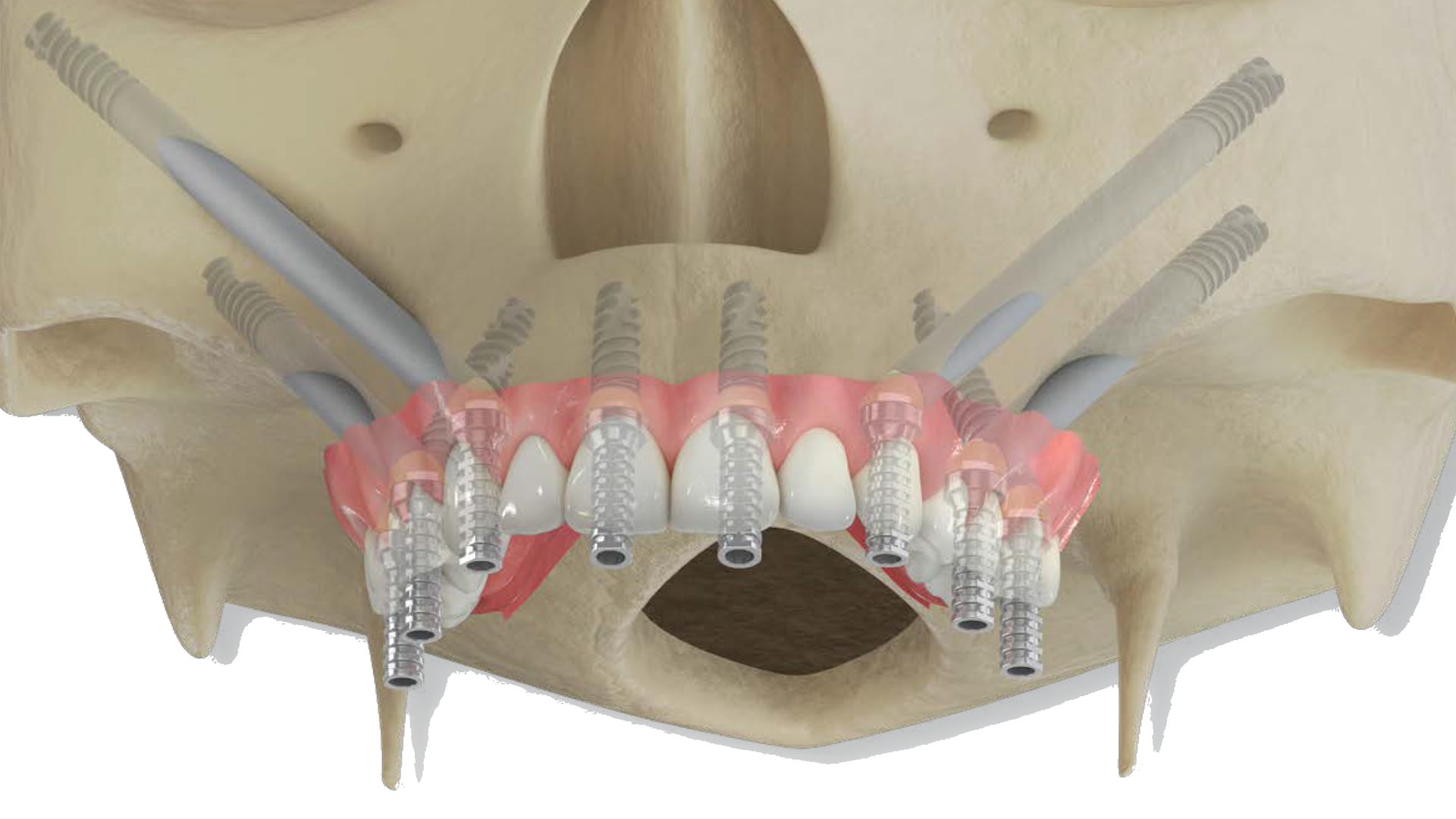
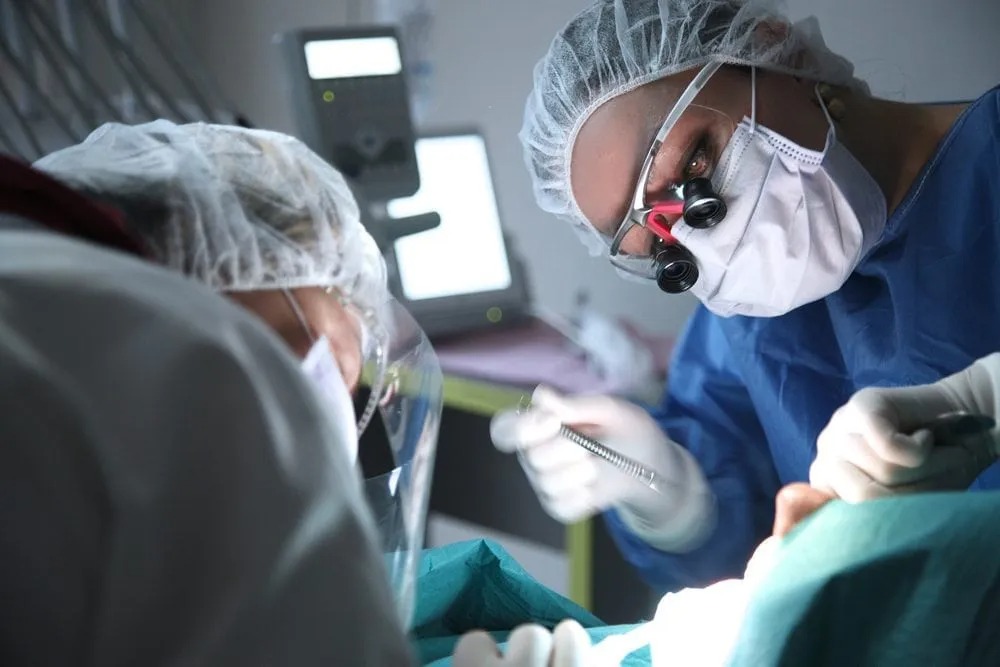
Our patient presented with generalized moderate horizontal bone loss, recurrent caries, pathologic migration of existing dentition, posterior bite collapse with loss of vertical dimension of occlusion. •Preoperative CBCT evaluation showed lack of bone in Bedrossian zone 2 and 3. Zone 4 demonstrated dense bone apically at the pterygomaxillary complex. Prior to surgery, I was somewhat concerned with the bone volume available after explantation of implant #5. •General anesthesia. Pterygoid implants Noris Pteryfit placed with 60+Ncm torque bilaterally. •Moving anteriorly to zone 1, the nasal and piriform rims gave suggestion of dense bone. With this in mind, anterior and tilted implants were placed to engage the nasal floor taking advantage of the type I nasal rim bone with 50+Ncm torque. Pleased to achieve adequate torque on the right tilted (backup plan was to place a right inferior posterior zygomatic implant). Training with world renowned surgeons Dr. Juan Gonzalez and Simon Oh Extramaxillary course @ ORCAA allows approaching such cases with confidence. •The mandibular arch was a traditional All on 6 set up. •Using photogrammetry and facial scanning, we were able to provide 3D facially driven restorations. Prosthesis were printed using Einstein 3D printer and double arch delivered the same day with little to no adjustment on occlusion, restoring the patient’s VDO immediately. Wonderful collaboration with Dr. Alan Dinkin. Montgomery Village Dental Care. Pterygoid implants Noris Medical @norismedical_usa @eileennorismedical Alveolar implants Neodent GM Helix @neodent_maryland_dc @paige_neodentmidatlantic @neodent.us  #advancedimplantsandperiodontics #happypatient #allonx #allon4 #allonfour #dentalimplants #beforeandafter #digitaldentistry #digitaldentist #digitaldental #dentallab #dentist #dentistry #dental #smile #bestdentist #smile #lifechanging #oralsurgery #implantdentistry #surgeon #surgery #allon6 #fullarch #dream #happiness  #dentalimplants #3Dfacialscanner We deliver and maintain beautiful, healthy smile. 📞240-651-5478 💻 https://www.Frederickimplant.com 📍6550 Mercantile Dr E #201, Frederick, MD

ORCAA Mission

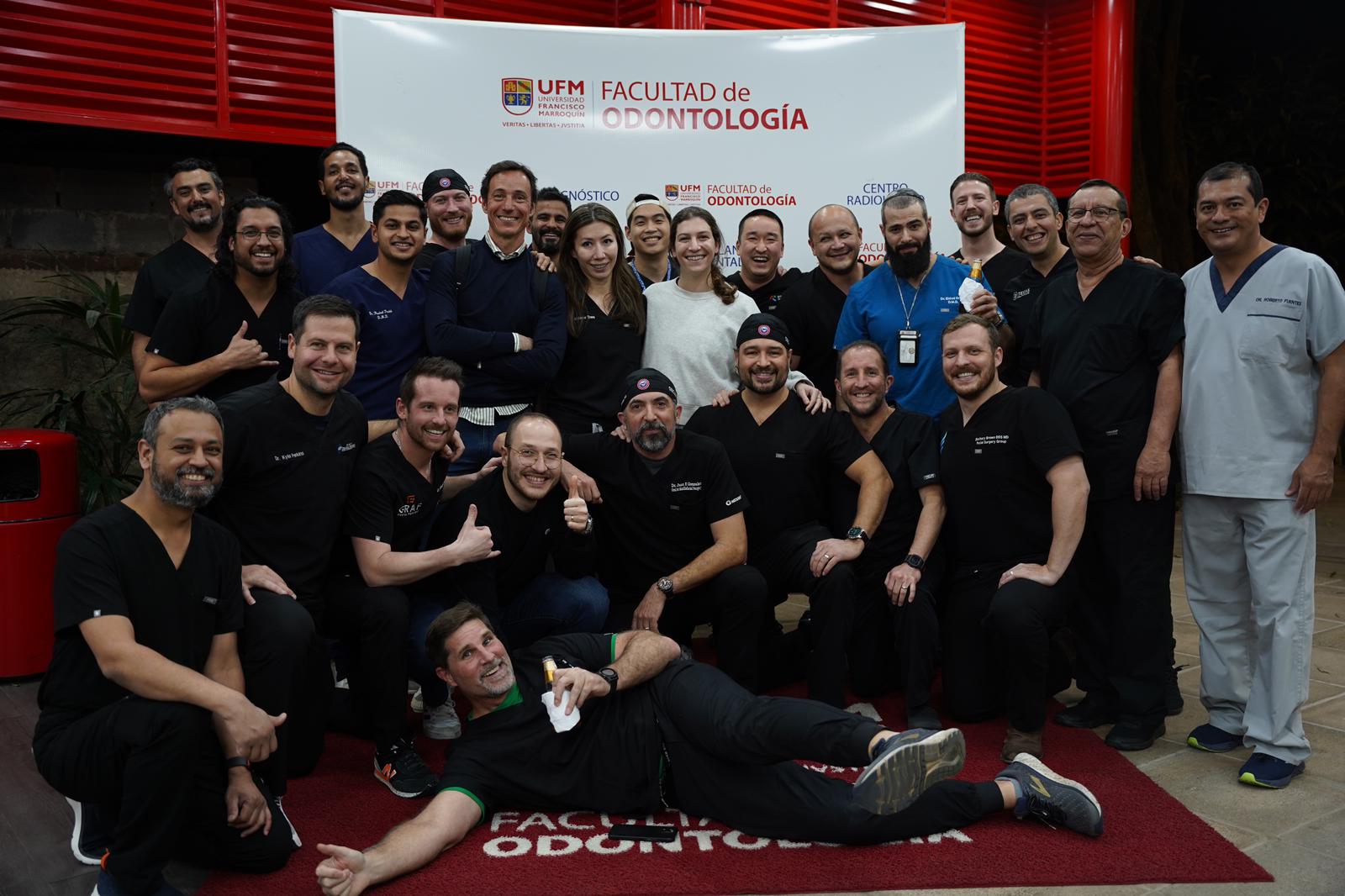
Had an amazing week in Guatemala learning the placement of extramaxillary implants with ORCAA. Thank you to the amazing faculty, Drs Sewon Oh, Juan Gonzales, Gregorio Redaelli, Emanuele Coppola and Zack Brown, the prosthetic team as well as the University of Francisco Marroquin. The ORCAA mission focuses on reconstruction and rehabilitation of the severely atrophic maxilla for the folks here in Guatemala. Edentulism is unfortunately endemic to this part of central America, so there was a lot of challenging pathology. This complexity required the use of advanced techniques such as zygomatic, trans nasal and pterygoid implants. I can’t recommend this experience strongly enough for clinicians who want to further their implant expertise while serving the Guatemalan people.

Zygomatic Dental Implants

If you have been told that you don’t have enough bone for dental implants, zygomatic implants may be a solution for you. Thanks to advancements in the field of zygomatic dental implants, patients who have been told they are not candidates for traditional dental implants, patients who have been told they must settle for dentures, can be treated successfully here at Advanced Implants and Periodontics. What Are Zygomatic Dental Implants? The zygomatic implant is a longer implant specially designed to be anchored in the zygomatic bone (cheek bone) instead of the maxilla (the upper jaw bone where traditional implants are anchored). The zygoma is a very dense bone and can provide excellent support for the lifetime of the patient. Zygomatic implants are used to restore missing teeth for patients with atrophic maxilla (patients with little or no upper jaw bone remaining). Patients with atrophic maxilla typically required complex and lengthy multi-stage bone grafting procedures before they could receive dental implants. The development of zygomatic implants means that bone grafting is no longer necessary. The zygomatic implant procedure is predictable and has a high success rate.

iCam4D

With incorporation of digital dentistry into our office, we are able to acquire accurate data and shorten your treatment time. Conventional implant impressions are multi-steps, have inherent inaccuracies, increase treatment time and involve placing impression material over your teeth. The iCam4D is a hand held “camera unit” consisting of four cameras and one projector. lt combines photogrammetric and structured Light scanning techniques to capture 3D data. It takes digital impressions of your teeth and oral structures and convert that into a digital format on a computer almost instantly. Make the most of your smile. To learn whether you are a good candidate for Same day Smile/Teeth in a Day, visit our website page at All on 4 Implant Therapy – Advanced Implants & Periodontics (www.frederickimplant.com) or give us a call at 240-651-5478 to schedule a consultation.

Advanced Technology

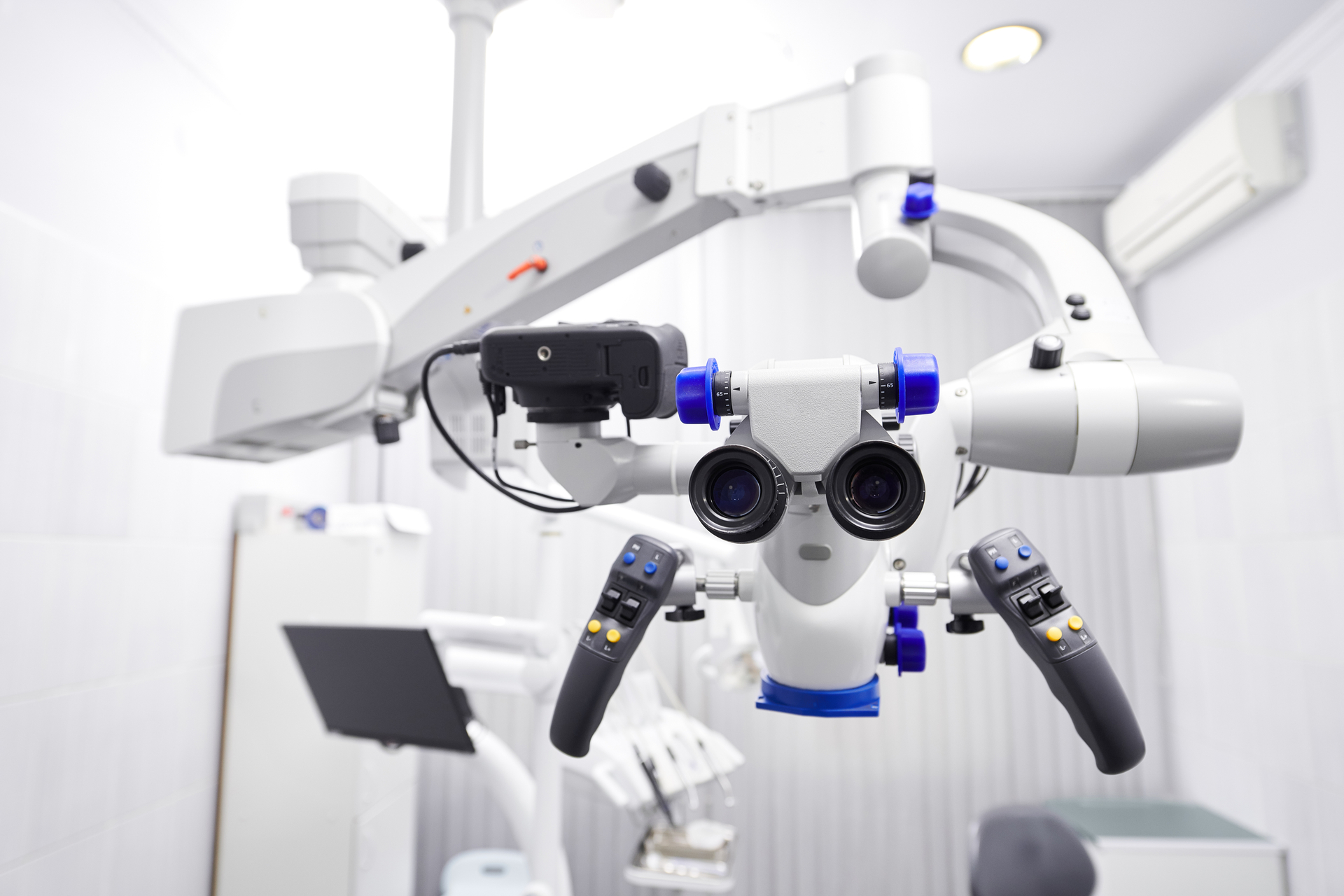
Advanced Care Through Technology Advanced Implants and Periodontics champions advanced technology and its integration in dental practice. We are able to provide patients just like you with more precise and reliable procedures, shorten treatment and recovery time as well as decrease discomfort after surgery. Intraoral Scanner Our state-of-the-art Medit intraoral scanner creates fast and accurate impressions of a patient’s mouth and teeth in lifelike colors. The scan replaces conventional impression techniques, creating a more comfortable experience for patients. Compared to taking a conventional impression, scanning patients is fast and easy which helps reduce the time a patient needs to spend in a dental chair. Intraoral scans also allow precise digital planning of your case before the procedure. Guided Implant Surgery Using the most advanced digital technology available, Dr. Towe and Dr. Shoff can accurately and efficiently plan and perform guided dental implant surgeries. Using data from your CBCT scan and intraoral scan, a customized surgical template is made specific to your jaw and unique treatment plan. Guided implant surgery can then be performed faster and safer than traditional unguided procedures. Laser Dentistry – LANAP® protocol: Our doctors offer an FDA-cleared laser periodontitis treatment called the LANAP protocol. This is a less painful and more successful treatment alternative to traditional gum disease surgery. Proven Results The LANAP protocol is the only scientifically proven laser treatment that results in true periodontal regeneration, growth of new bone and gum tissue reattachment. The specific laser we use during LANAP treatment can target the bacteria causing gum disease without damaging the surrounding healthy gum tissue. This allows the gums to heal without the need for scalpel or sutures. Dr. Towe and Dr. Shoff have completed the advanced training required to become certified in this technique. Piezosurgery® This device is used for extractions, sinus lifts and ridge augmentation surgeries to preserve soft tissue and bone, reduce postoperative discomfort and expedite healing for patients. Patient Benefits:   Soft tissue is protected in lateral sinus lift surgery; the risk of perforation is reduced by 80% Less swelling after surgery with PIEZOSURGERY® Faster and better osseointegration after implant site preparation with PIEZOSURGERY® Faster and less traumatic post-operative recovery iCam 4D The iCam 4D is revolutionizing the workflow for multi-implant restorations. This exciting new technology has tremendous benefits for the patient including improved comfort due to the quality of the fit of the final restoration. The iCam 4D is a hand held “camera unit” consisting of four cameras and one projector. lt combines photogrammetric and structured Light scanning techniques to capture 3D data. lt uses the ICamBodies, high precision mechanical parts with a unique proprietary target arrangement, to determine the position and orientation of implants. The position and orientation computed for one implant is called an “ICamPosition”. The ICamBodies are replaced by Imetric at regular intervals to assure that they always meet the necessary precision requirements. It is the only technology that guarantees predictable and acute results. Platelet-rich fibrin (PRF) Platelet-rich fibrin (PRF) is a substance taken from your own blood that helps to promote healing. Since PRF is taken from your own blood, it is highly biocompatible and there is an extremely low risk of allergies, reaction, or adverse side effects. When applied to the treatment site, PRF helps to stimulate the healing process and acts as a bioactive band-aid. PRF is composed of various essential healing components, including: White blood cells – help to decrease the risk of infection Platelets – help to attract growth factors and clot the blood Fibrin – helps to clot the blood by binding platelets together Cytokines – proteins with anti-inflammatory properties Stem cells – can help regenerate any type of tissue Dental CT scan (Cone Beam) Computed tomography (CT or CAT scan) takes images of the internal structures of our bodies. We are pleased to be able to offer our patients state-of-the-art 3D dental imaging. Our Green X CT machine incorporates pano, ceph, CBCT and model scan which allows our doctors to capture detailed images to determine and visualize the precise location of your teeth and vital structures, such as nerves, sinuses, and blood vessels. With CT scans we are able to improve diagnostic accuracy, which enhances treatment planning and increases patient safety achieving a full mouth 3D image at a lower radiation dose compared to standard imaging. 3D Printer Harnessing the power of heat and a closed-loop process, the Einstein 3D Printer allows us to fabricate a variety of dental applications, from surgical guides, dental prostheses, and occlusal guards. The secret to the Einstein printer series is in its DNA. Proprietary NanoFit 385 technology ensures that every application features stunning clarity, perfect fit, and an impressively natural-looking finish. Einstein hits on all the key features essential to superior 3D printing: accuracy, speed, and versatility. We can print your same day full arch teeth right here in our office. InstaRisa Our InstaRisa technology uses a combination of a facial and intraoral scanner and allows for digitizing the patient to enhance treatment planning. We are able to three-dimensionally plan after the initial intake data is captured, saving multiple appointments and costly remakes. Patients are able to preview their smile prior to treatment and rest assured that the outcome will be predictable. Our doctors have completed advanced training to become InstaRisa Certified Providers. Advantages of Advanced Technology More accurate diagnoses Minimally invasive procedures Less pain and bleeding More precise, predictable results Quicker treatment times More efficient appointments Better understanding of your treatment

Gummy Smile Treatment

TREATING GUMMY SMILE CAN GIVE YOU A STUNNING SMILE When the gums show too much above your top teeth, this is called a gummy smile. There is too much show of the gums and the teeth look excessively short or small. The dental term for this is excessive gingival display; you can see more than two millimeters of the upper gum during a full smile. Gummy smiles can make patients feel self-conscious or less attractive when smiling. The good news is that a gummy smile can be treated easily and effectively. Minimally invasive procedures such as aesthetic crown lengthening to remove excess gum, or lip repositioning can improve your smile. Then you can smile again with confidence. Did you know: About 10 – 15% of all people have a gummy or gingival smile? Interestingly, this condition is more common in women than men.

Botox

What is Bruxism: Bruxism is the medical term for unconscious teeth clenching and grinding, either while awake or asleep. Patients with bruxism can experience headache, earaches, facial pain, and even migraines. Bruxism damages the teeth leading to increased tooth sensitivity, flattening, chipping or fracture of the teeth and jaw joint (TMJ) problems. Patients who grind their teeth while asleep often wake up with a sore jaw. Chronic clenching can lead to hypertrophy of the masseter muscle (the muscle responsible for eating and clenching), giving the appearance of a wide face or square jaw. Treatment Options for Bruxism: Botox (Botulinum Toxin Type A) Treatment of bruxism involves using dental devices such as a “nightguard” or bite block to prevent the teeth from contacting one another. These dental devices help prevent damage to the teeth but do not change the fact that patients are still physically clenching and grinding. In order to decrease the clenching, grinding and reduce the biting force exerted on the teeth, we have recently started using Botox (Botulinum Toxin Type A) to decrease the excessive muscle activity of the jaw. Botox treatment can provide pain relief and help prevent dental problems related to bruxism. It can also soften the appearance of the jaw line, help prevent damage to the TMJ (temporomandibular joint) and decrease TMJ associated headaches. The masseter muscle is injected with a small volume of Botox to decrease the overactivity of the muscle. This helps to normalize the clenching force of the jaw and relieve the bruxism. The effect of Botox lasts for approximately three to four months, after which the procedure can be repeated. Patients are often advised to continue use of their night guard, and both of these measures can provide effective relief.

Dental Technology

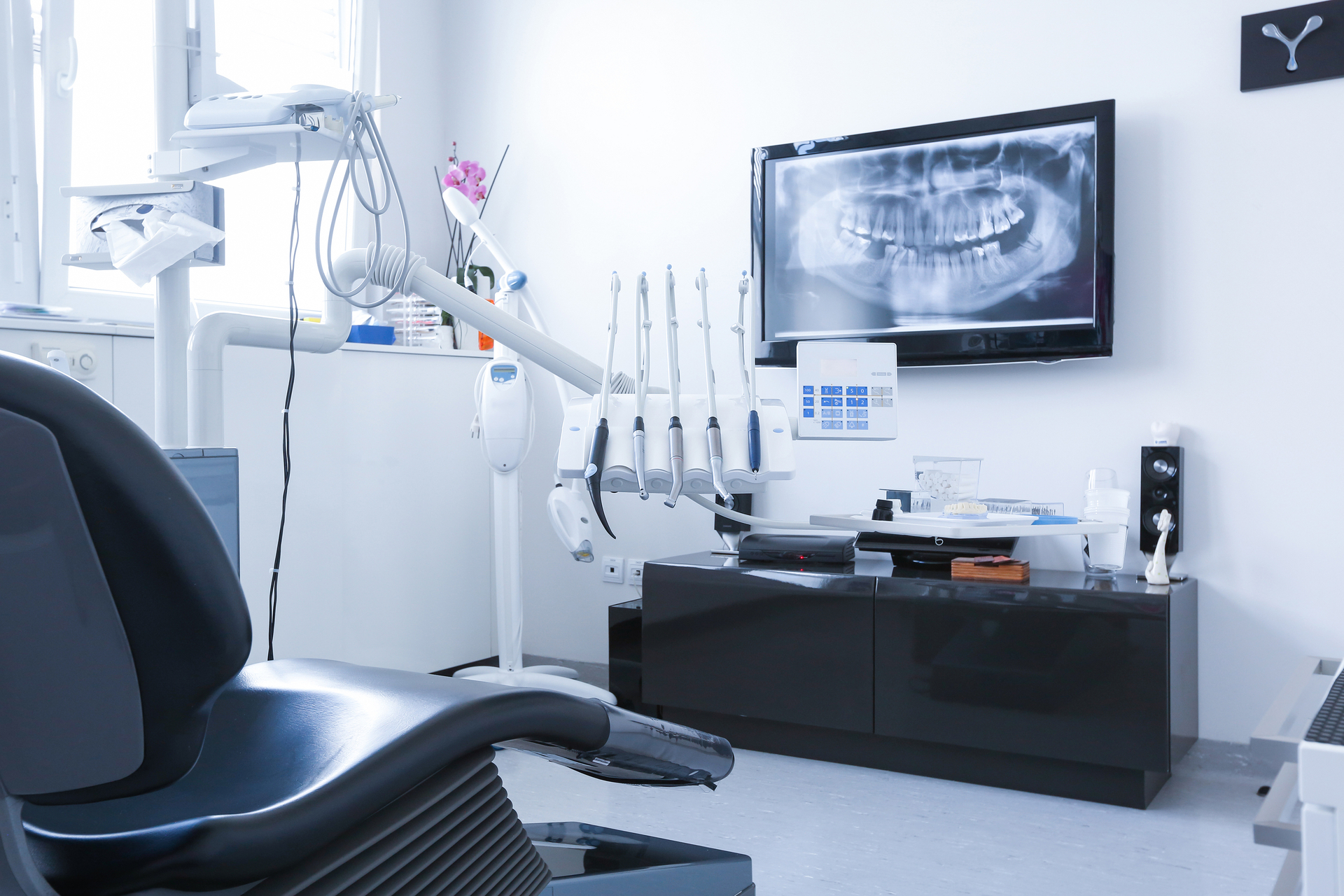
Learn More: Medical technology has been advancing at a breakneck pace for the past several decades, and dentistry hasn’t been left behind. Dental professionals are constantly looking for the newest forms of treatments and technology that will aid in providing their patients with the best possible care, and we’re going to introduce you to some of the newest advancements that have been made. VELscope This technology employs a special form of light that our dentists use to detect dental abnormalities. VELscope is particularly effective in the detection of disease and cancer in its earliest stages as part of an oral screening. Digital X-Rays A common concern of patients is the amount of radiation they’re exposed to during a dental exam. The newest forms of imaging technology employ digital x-rays, which not only employs 90% less radiation than traditional x-rays but provides viewable films to the dental staff immediately. These images are able to be zoomed in on for highly accurate assessments of dental health. Invisalign For decades braces have been the go-to method of straightening misaligned teeth. While effective, braces are uncomfortable and unsightly. Invisalign is an innovation in this area of dental care that provides the benefits of braces while remaining nearly invisible. Additionally, Invisalign can be removed when eating, removing dietary restrictions associated with braces. Laser Dentistry Past techniques for whitening, reducing tooth sensitivity, tumor removal, and filling cavities have often been uncomfortable for the patient, and time-consuming. New innovations in laser technology have created painless alternatives that also aid in eliminating harmful bacteria. Dental Implants Traditional dentures are often ill-fitting, uncomfortable, and prone to embarrassing mishaps like slippage. Modern dental implants provide prosthetic teeth that are nearly indistinguishable from normal teeth and are long-lasting. HealOzone This innovation uses ozone (O3) to rapidly kill bacteria and fungus painlessly. It also makes a great tool for detecting tooth decay and suppressing it before it becomes more advanced. DIAGNOdent This cutting-edge technology is capable of detecting cavities in places that traditional x-ray techniques can’t locate. By employing DIAGNOdent your dentist ensures that no early signs of cavities go unnoticed, saving you time and money on future dental treatments. Intraoral Camera This tool employs a special camera that provides well-defined and precise images of places difficult to see in a patient’s mouth with traditional imaging. Just one more tool to aid your dentist in a thorough and accurate assessment of your dental condition. These are just some of the technologies that have been brought into common use in recent years in our dental offices. Every year we keep an eye out for new methods of treating our patient’s dental concerns by improving visibility, reducing discomfort, and aiding us in providing complete and thorough assessments. If you have any questions about the technology your dentist is using in your exams, don’t hesitate to ask! Curious patients are educated patients, and we love to encourage our patients to be knowledgeable about their dental care.

Gum Surgery

Learn More: Periodontists treat their patients with the most conservative measures possible, but sometimes surgery is necessary to facilitate oral health and aesthetics. Some of the reasons your periodontist may recommend gum surgery include: To restore gum tissues lost to periodontal disease. Also known as guided tissue regeneration, this procedure is often combined with bone grafting to help support the teeth. To cosmetically improve your gum line. Known as mucogingival surgery, this procedure grafts soft oral tissues into the gum line to fill in areas that have become recessed. The gum grafts conceal exposed tooth roots to allow for a more aesthetically pleasing appearance. To prepare your teeth for dental restorations. The purpose of this type of gum surgery is to reveal more of the tooth’s root, effectively lengthening the crown of the tooth. Crown lengthening is reserved for patients who have decay below the gum line or have inadequate tooth structure to support a dental restoration. Did you know… That your jaw bone and gums should naturally hug the roots of each tooth, encircling the base of the crown to hold it in place? But when gum disease is allowed to progress, the gums can recede and begin to create ‘pockets’ around the teeth that will only become deeper with time. As bacteria proliferate in these pockets, patients experience further bone and tissue loss. Gum surgery is often the most conservative solution for patients with advanced gum disease – otherwise leaving the option of eventually having the teeth extracted. Frequently Asked Questions Am I a candidate for gum surgery? Gum surgery may be right for you if you need crown lengthening for a restoration, you want to cosmetically enhance your gum line, or you have 3mm or greater pockets around your teeth due to periodontal disease. To find out more about gum surgery and your options for treatment, schedule an appointment with your periodontist. What should I expect during a gum surgery? Gum surgery is an in-office procedure performed under local anesthesia. Most patients feel no discomfort during the procedure, and you may be under mild sedation for its duration. Will I need to follow any special instructions following my gum surgery? Although the surgery itself should not be uncomfortable, you will experience sore and swollen gums in the days immediately following the procedure. Use a cold pack to reduce swelling in the hours after the treatment, and consume only a soft diet for the first few days after the procedure. Your periodontist may prescribe pain medication as well as antibiotics to ensure your recovery is free of complication. Be sure to keep the surgical site clean, and schedule a time to return to your periodontist’s office if you have sutures that need to be removed.

Gum Recession Treatment

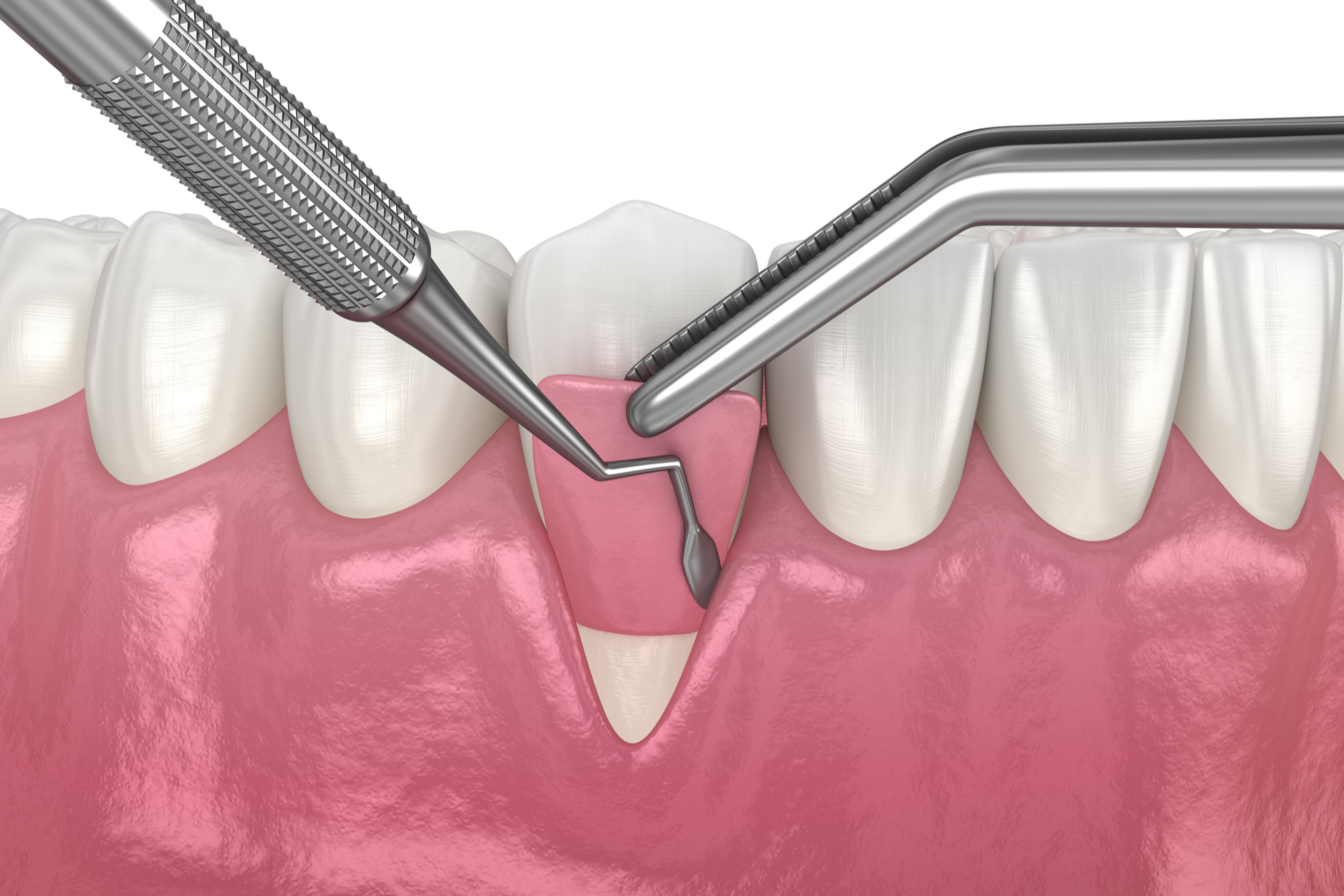
Before Insertion Placement Result Previous Next Learn More! Your smile is an important part of your appearance. And though the size, shape and color of the teeth are most frequently associated oral cosmetics, the gums play an essential role too. When gingival tissues begin to recess, your teeth may look oversized and uneven. Soft tissue grafting is often used to restore the gum line using a bio-compatible grafting material that is attached to the gums to protect the tooth surface. The resulting augmentation produces restored dental symmetry and eliminates a ‘toothy’ smile. Did you know: That gum recession can be more than just a cosmetic problem? The enamel below the gum line is more prone to decay and tooth sensitivity when exposed. A receding gum line can put your long-term dental health at risk – potentially causing cavities, bone loss, additional gum recession, and even tooth loss. Frequently Asked Questions Am I a candidate for soft tissue grafting? Generally, soft tissue grafting is recommended once the gingival tissue has reached the mucosa. However, you may be a candidate for soft tissue grafting if you have noticeable gum line recession that is a source of embarrassment, is a risk to your oral health. What should I expect during a soft tissue grafting procedure? If you decide to undergo soft tissue grafting, your procedure will take place in your oral health provider’s office. The grafting site will be numbed, and the existing gum tissue will be loosened to make room for the graft. The grafting material is sutured in place, and you will return home the same day as your procedure. How long is the recovery period following soft tissue grafting? It is normal to experience some soreness and swelling at the grafting site after your procedure. However, this will subside after a few days as your tissue graft continues to heal. Be sure to follow your post-procedural guidelines exactly as ordered by your oral surgeon, and take any prescriptions as instructed. Sutures usually dissolve or will be removed within a few days, and you should notice a significant improvement in the appearance of your gums within a few weeks. Keep in mind, however, that soft tissue grafts take several months to completely heal.

Platelet-Rich Fibrin (PRF)

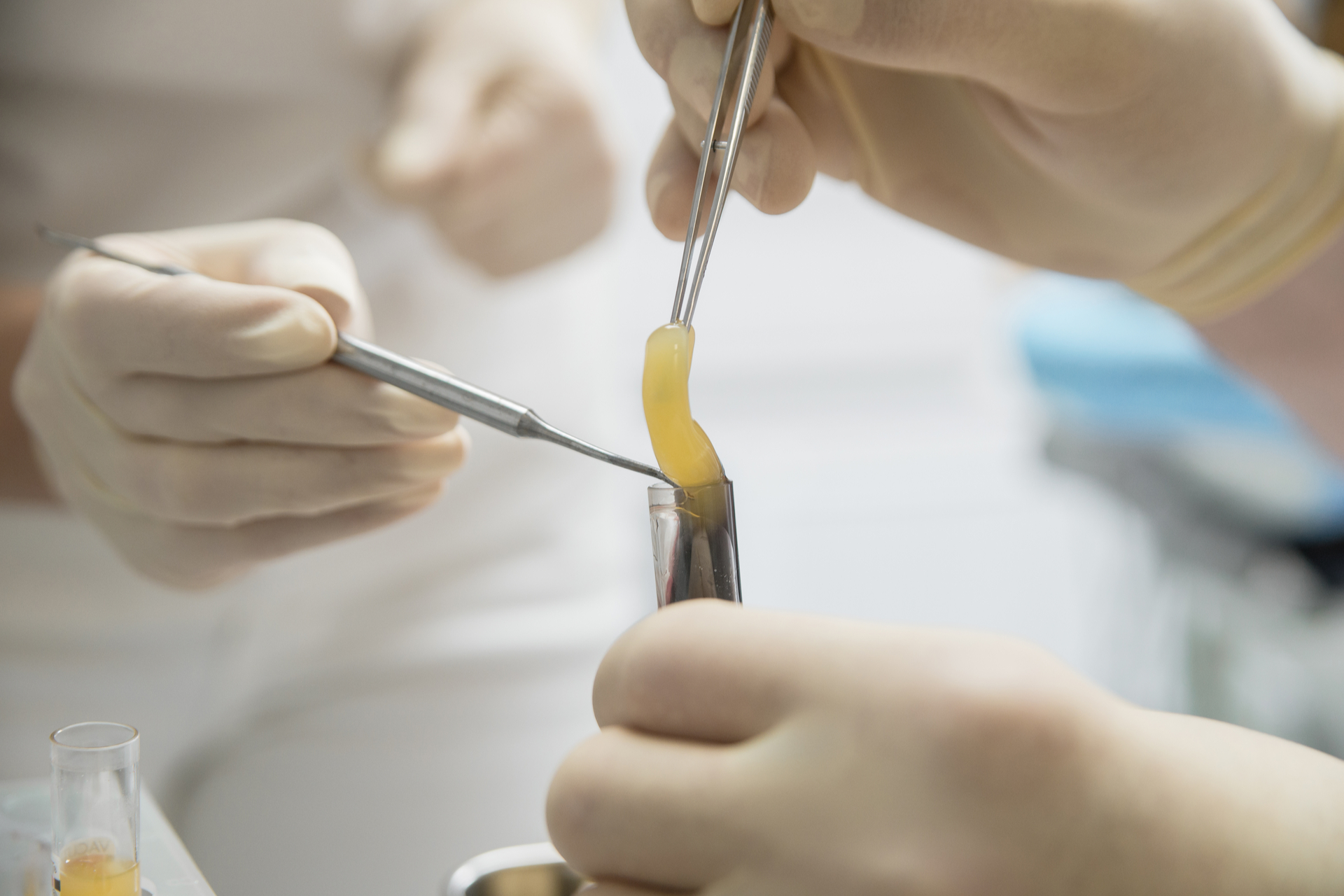
Learn More! Platelet-rich fibrin (PRF) is a substance taken from your own blood that helps to promote healing. Since PRF is taken from your own blood, it is highly biocompatible and there is an extremely low risk of allergies, reaction, or adverse side effects. When applied to the treatment site, PRF helps to stimulate the healing process and acts as a bioactive band-aid. PRF is composed of various essential healing components, including: White blood cells, which help to decrease the risk of infection by cleaning the area Platelets, which help to attract growth factors and clot the blood Fibrin, which helps to clot the blood by binding platelets together Cytokines, which are proteins with anti-inflammatory properties Stem cells, which can help regenerate any type of tissue Did You Know? Platelet-rich plasma (PRP) was the first generation blood platelet concentration. However, PRP lacked white blood cells and released around 90% of its growth factors within 10 minutes of coagulation. PRF, on the other hand, contains more growth factors and has a prolonged release, meaning that it gradually releases these growth factors during the first 1-2 weeks of healing. Frequently Asked Questions: Can I benefit from PRF? You may benefit from PRF if you: Are having dental implants placed Are having one or more teeth extracted Have severe periodontal disease with bone loss Have gum recession Have oral soft tissue that failed to heal with sutures Need to prevent or treat an infection Are having a sinus lift To determine if PRF can benefit you, schedule a consultation with our office today. How is PRF obtained? PRF is obtained through a simple blood draw. Once a sample of your blood has been obtained, the vile of blood will be placed in a centrifuge for approximately 10 minutes. This will spin the blood at a speed of 3,000 rpm in order to separate the blood into three layers. Plasma will collect at the top of the vile, platelet rich fibrin will collect in the middle, and red blood cells will collect at the bottom. Our office uses the newest and most innovative equipment to optimize the quality of both liquid and solid PRF for different dental applications. How is PRF used during dental procedures? After the required treatment has been carried out, PRF will be placed over the treatment site. PRF is a gelatin consistency and is self-degradable, meaning that it will degrade within 1-2 weeks after placement. Depending on the type of treatment and the location, PRF may or may not be sutured in place. In some cases, it can even be injected into the treatment site. After its placement, PRF will release growth factors over the course of the next week or two in order to promote healing.

Laser Gum Treatment – LANAP

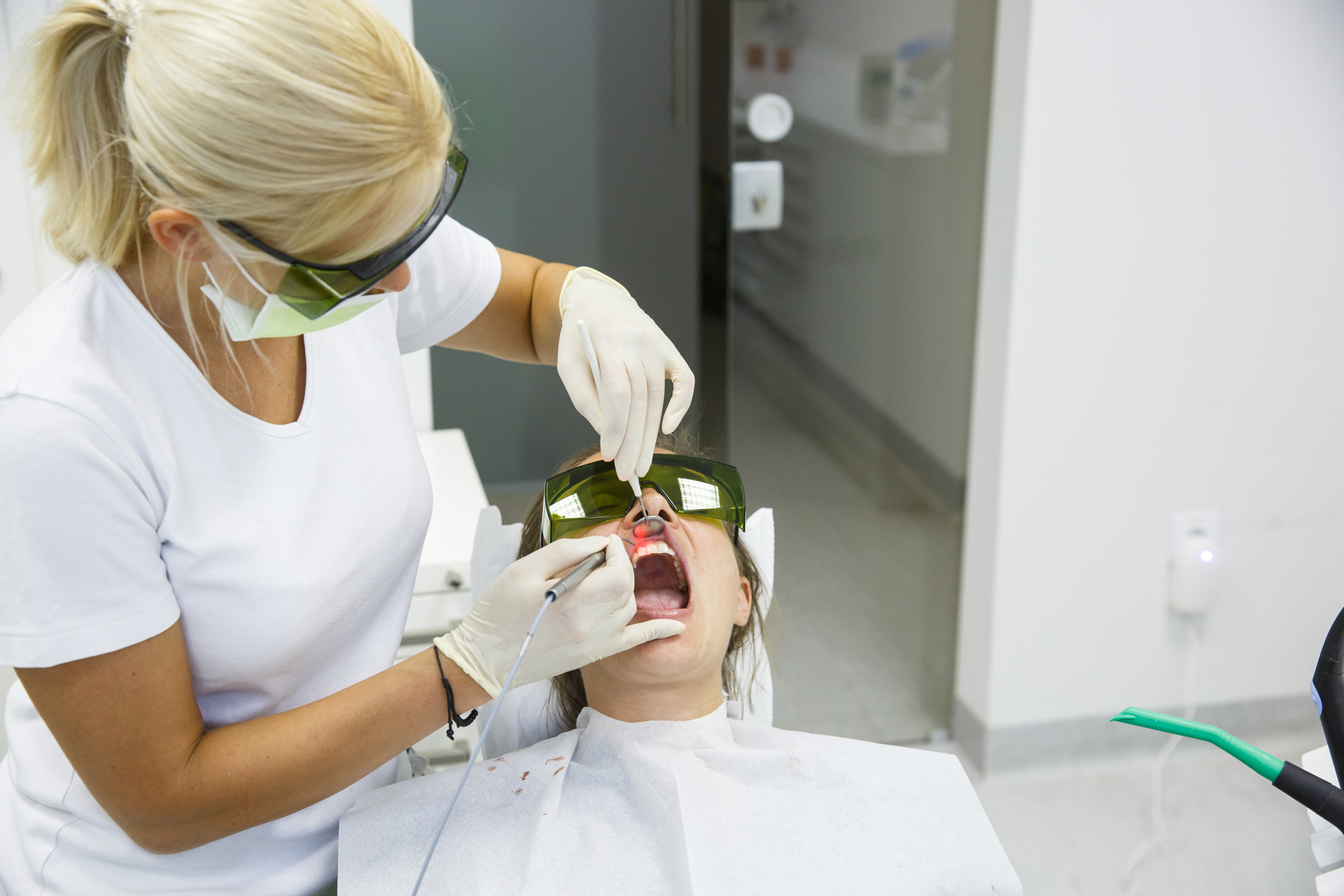
Our state-of-the-art facility is equipped with the most advanced equipment available in the USA including the latest lasers, surgical devices and advanced 3D scanning equipment. We are committed to providing the most advanced treatment for your comfort and safety. Laser Dentistry- LANAP® protocol:Our doctors offer an FDA-cleared laser periodontitis treatment called the LANAP protocol, a less painful and more successful treatment alternative to traditional gum disease surgery. The LANAP protocol is the only scientifically proven laser treatment that results in true periodontal regeneration, growth of new bone and gum tissue reattachment. The specific laser we using during LANAP treatment can target the bacteria causing gum disease without damaging the surrounding healthy gum tissue. This allows the gums to heal without the need for scalpel or sutures. Dr. Towe and Dr. Shoff have completed the advanced training required to become certified in this technique. Benefits of LANAP® treatment: Less Discomfort– Patients report less discomfort during and after the procedure compared to traditional gum surgery treatment. More Rapid Healing– the LANAP® protocol is minimally invasive and allows faster healing. Most patients have little or no down time. Reduction in Gum Bleeding and Inflammation– The laser detoxifies the gums by targeting bacteria without injuring healthy tissue. Little to No Gum Recession–There is no cutting or suturing of the gums and therefore there is minimal gum shrinkage. This preserves your beautiful smile and reduces the chance of the teeth becoming sensitive to heat and cold. Safe for patients with Health Concerns – The LANAP® protocol is safe for patients with health concerns such as HIV, diabetes, hemophilia and for those taking blood thinners. Saves Teeth and Dental Implants– This technique has allowed patients to keep their natural teeth and dental implants when traditional treatments have failed. LANAP, or Laser Assisted New Attachment Procedure, is a form of periodontal therapy used to treat periodontitis. Unlike traditional surgeries, which involve the removal of both diseased and healthy gum tissues, LANAP specifically targets infected areas of the gums – leaving healthy tissues behind. LANAP works using the Periolase® laser, which is FDA approved for periodontal treatment. This flexible laser emits energy at varying pulsating frequencies, effectively removing periodontal infections and facilitating the regeneration of the gums in areas where they have pulled away and recessed from the teeth. Did you know… That LANAP periodontal treatments have many advantages over traditional surgery? In addition to only targeting diseased tissues, LANAP features: Rapid recovery Minimal discomfort Decreased bleeding Infection removal Reduced inflammation Frequently Asked Questions Am I a candidate for LANAP? Patients who benefit from LANAP have been diagnosed with a periodontal disease with pocket depths between 5 and 6 millimeters. You may also benefit from LANAP if you have advanced periodontal pockets that are inoperable or that have become infected against despite a previous periodontal treatment. For more information about LANAP and whether it is right for you, schedule a periodontal consultation with our office today. What should I expect during LANAP treatment? Patients undergoing LANAP are made comfortable using a local anesthetic. Your periodontist will use a laser to gently removed diseased gum tissues from the pockets surrounding your teeth. After the infection is eliminated, your teeth will be cleaned, and the laser will be used once more to help your gums form clots in the pockets. What should I expect after undergoing LANAP? Following your treatment, you should be able to return to work immediately. If you are like most patients, you’ll experience much less swelling and discomfort than you would with traditional flap surgery, and your gums will bleed less following the procedure. You will be given special instructions for keeping the treatment site clean and free of debris, and you may need to follow a special diet in the days following your procedure. Because the clots are sensitive in the first week following LANAP treatment, you’ll also need to avoid brushing your gum line for the first several days after your procedure.